Cult NY singer-songwriter writes his own beautiful epitaph with posthumous set of inspired poetic musings
By Ben Wood
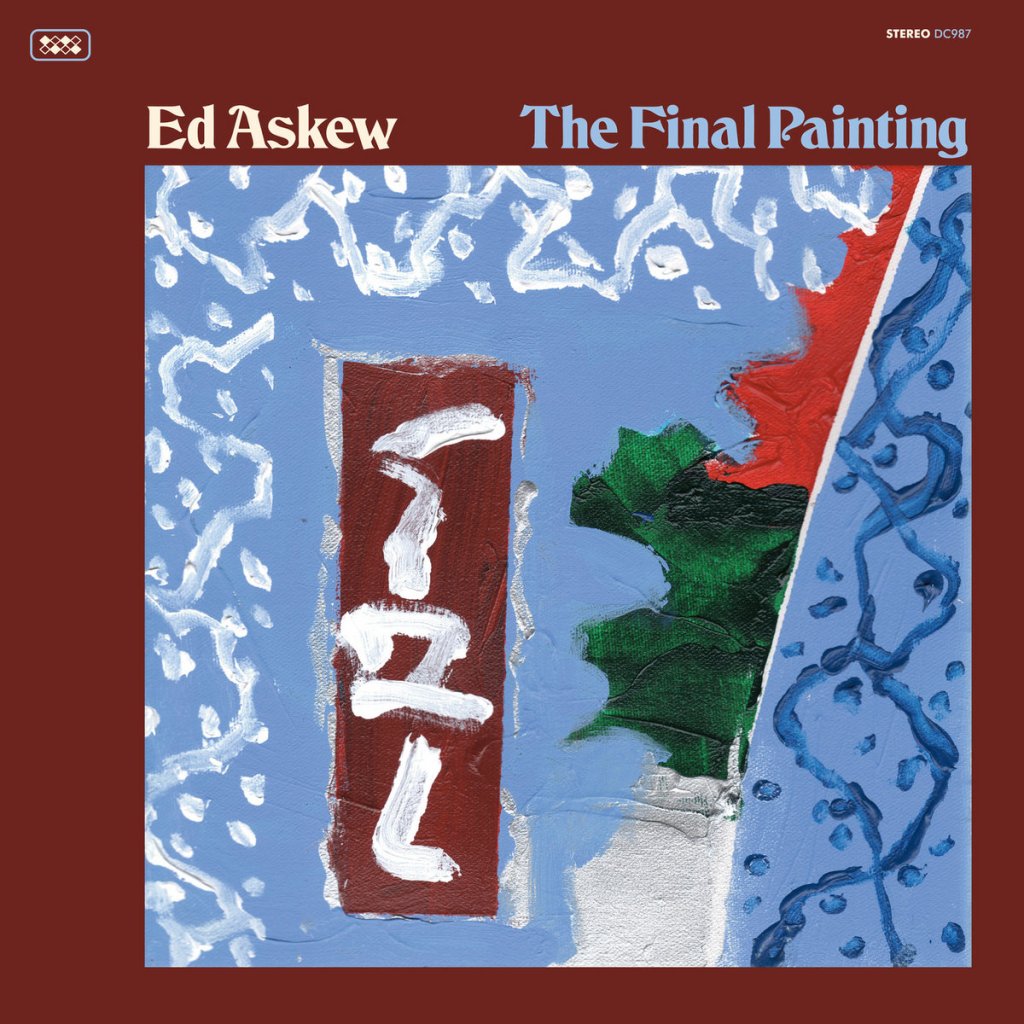
The late 60s and early 70s were an incredibly fertile era for singer-songwriters. On both sides of the Atlantic, a steady stream of idiosyncratic talents produced original, often seriously lo-fi, work unheard by almost anyone until interest from the crate-digging community inspired reissues and glowing reappraisals. As a major fan of such stuff (we need more original voices!), I am slightly ashamed to say I had not heard of the late singer-songwriter, painter and poet Ed Askew until recently.
Edward Crane Askew (yes, that is his real name) lived in New Haven, Connecticut. He studied art and avoided the draft before making 1968 debut Ask the Unicorn and releasing hundreds of self-released songs on cassette. A 1987 move to New York led to renewed interest from other musicians and a steady stream of new albums from 1999 onwards. Lo-fi but melodic, his sprachsung vocals (a la Lou Reed) and poetic, quirky lyrics testify to the pleasures and existential challenges of life in bohemia. His honesty about his life as a gay man and his tender, open worldview brings the great Allen Ginsberg to mind.
Before he died, aged 84, in January 2025, Askew reunited with Jerry David DeCicca, who produced 2013’s For the World album. These stately, lushly melodic meditations feature the likes of Sharon Van Etten and Bill Callahan, their involvement a pretty impressive tribute to the fondness and respect in which he was held. Askew’s ageing, honestly imperfect voice is a very moving vehicle for his open-minded musings on life, love and his impending demise. The pieces – as much musings as songs – take their time, their open spaces allowing space for the listener’s thoughts in a slow, two-way conversation.
Opener Winter Song sets the tone both musically and lyrically. Askew dreams of “Liberty and peace of mind / Sanity and wealth beyond belief…“, wonders whether to “Raise a fist or try to hide / Build a better wall to hide behind.” It seems to be about inhabiting new mental spaces as he nears the end and his perspective shifts. Askew sounds open to his condition and intrigued as to what, if anything, is coming next (“We don’t know“). It’s spooky and beautiful.
Bacon and Eggs also has a Beat Poet’s ability to see the immortal in the everyday: “Noisy kids… the voice of God mixing with car sounds“. Long Night conjures an old lover (“Out of memories you walked into my life“) and recalls “All the illusions that I lost“. A Train is a Thought elides what are usually seen as very different states of consciousness (“These memories I find in dreams as I sleep“).
The album’s first single Gray Air-o-Plane features Sharon van Etten. Once more, it wonders what it all means (“What do I care about in the blue sky / And after a lifestyle of love, why do I cry?“). Genuine connections with other human beings can still make life worthwhile, he suggests, via a tale about meeting a homeless guy who gives him gloves for good luck.
Someone sees Askew waiting in the afterlife’s waiting room for his number to be called, accompanied by spookier than usual backing music via unresolved guitar and rippling piano: “I am waiting for wisdom / And I am waiting for money / I am waiting for someone“. Tough Guys tells of picking someone up in church by offering to paint their picture. The universe approves (“Jesus Christ smiled when I loved you“), while our narrator is happy to “Play a piano / Even if it’s out of tune“.
Nightingale is an elegant ending to the album, as Askew appears to say goodbye to the world accompanied by memories of his life’s epiphanies. In the end, memories are all we have – but fortunately, “Time flies in my daydreams”. It’s a lovely image and a fitting end to a triumphant artistic farewell.
Nope, I’m fine, honest. It was just something in my eye… 8/10


Leave a Reply